The circular economy in action — a very low embodied carbon solution using today’s technologies

Optoppen

How can we get to zero-carbon construction? Optoppen, or topping up, is one way

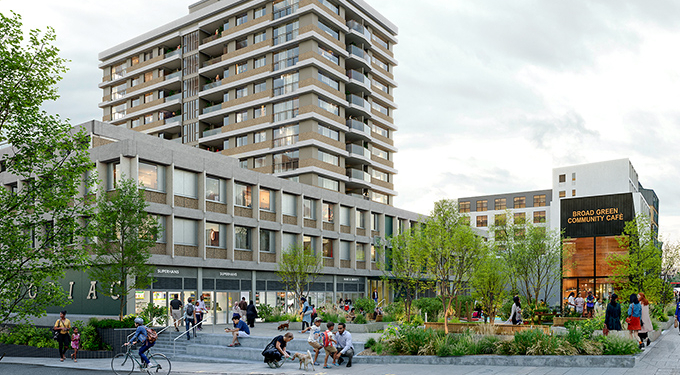
Lightweight roof extensions — using timber and other bio-materials — increase the floor area in existing buildings, contributing to urban decarbonisation targets, densification strategies and more-efficient use of existing infrastructure. Adding floors creates value and enables energy retrofits. It’s a very low embodied carbon solution using existing technologies.

Reusing building frames, and adapting and extending existing buildings, is a logical response to the challenges the construction industry faces in meeting climate targets. Lightweight vertical extensions increase the amount of additional floor area achievable using the capacity of existing foundations and structure.

Our team is experienced in all aspects of delivering this kind of project, many of which combine refurbishment, adaptation, retrofit, infill design, and facade extension, as well as optoppen and advanced timber engineering.

CONTACT : Kelly Harrison

See also Plotting our route to zero >

Optopppen project

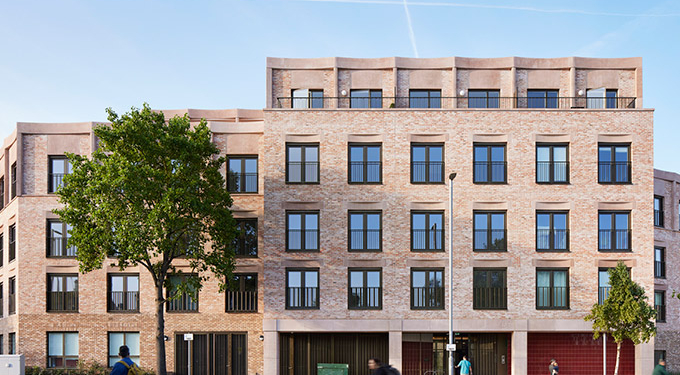
Low carbon redevelopment and extension of existing buildings

OPTOPPEN WEB PLATFORM

ONLINE viability tool >

Whitby Wood led a Built by Nature-funded consortium of UK and European partners in the development of an open-source interactive web app that enables city planners and asset owners to quickly understand the vertical extension potential of their buildings.

Case studies demonstrate the application of optoppen to common building types in European cities, focusing on the UK, Netherlands and Spain.

Find out moreoptoppen.org

Optoppen

Project partners
Whitby Wood
Mule Studio
Creative City Solutions
Holland Houtland
Inst. for Adv. Arch. of Catalonia
New Urban Networks EU
Rising Tide

Projects